
Quincy · Single-family homes
A house, a coastline, and a subway line
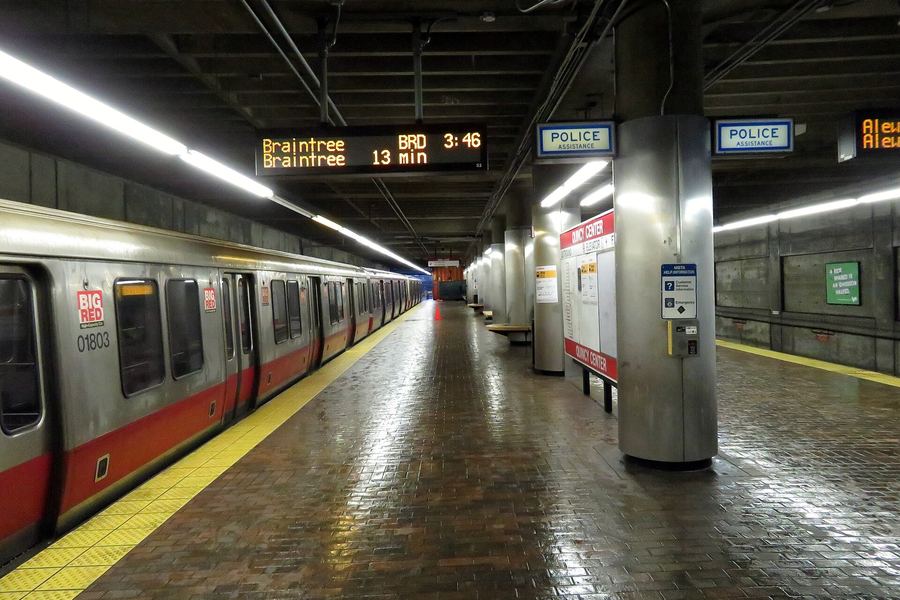
A single-family house in Quincy usually means quiet streets, a driveway, a small yard, and a walk or a short drive to a Red Line platform. That combination — a detached house with direct subway access to downtown Boston — is genuinely uncommon at this price level in the region, and it is the main reason families keep choosing the city over cheaper towns further out. The stock is mostly older, built across the twentieth century in waves, and its quality varies street by street rather than neighbourhood by neighbourhood.
The numbers
What Quincy single-family homes look like right now
Typical value
$738,610
Year over year
+1.9%
Five years
+17.6%
Zillow Home Value Index for single-family homes — a modelled estimate of a typical house's value, not a median of recorded sales. Figures as of August 2026. Source: Zillow research data.
Zillow's modelled estimate of a typical single-family value in Quincy was $738,610 in August 2026, 1.9 percent above a year earlier and 17.6 percent above five years earlier. Both figures point the same direction, which is worth noting in a segment where buyers often assume value markets are flat markets. The buyers here are frequently families who want school-age stability, space, and a commute they can rely on in winter, and who have concluded that a house near a station is a better bet than a larger house with a longer drive to a commuter lot.
What you are likely to be walking through
Older frame houses, many with additions and finished basements done at different times by different owners, on lots that get larger as you move away from the stations. Coastal air is hard on exteriors, so siding, windows, roofs and anything metal age faster here than inland, and the condition of those elements varies more than the asking price suggests. Character shifts quickly: the blocks near the water, the blocks near a station, and the quieter interior streets are different places to live. Walk a prospective street at commuting time and again at the weekend before you decide it is yours.
What the index establishes and what it leaves open
The figure above is a modelled estimate of a typical single-family value across the whole city, not a sale record and not an appraisal of anything. Quincy is several markets stacked together, so a city-wide model necessarily averages across neighbourhoods that behave differently. The index tells you the direction the city has taken over one year and over five. It cannot tell you what a specific house will cost to insure, what the flood designation is at that address, or how a particular block is changing as new construction arrives. Those are address-level questions with address-level answers.
The insurance question, and how to answer it early
Flood zone designation is the item most likely to cost a Quincy buyer money they did not plan for. Where it applies it affects the cost of insuring the property and, over time, how easily the property resells. Because the designation is on the public record, you can settle it for an exact address while you are still deciding, instead of meeting it in an insurance quote days before closing. Get an insurance quote early in the process, not at the end. Beyond that, the usual older-house checks apply: heating system, roof age, water in the basement, and the permit history behind any addition.
Questions
What buyers ask me about this segment
- How early should I look into flood designation?
- Before you make an offer, not after. The designation is public information tied to the specific address, and it influences both your insurance cost and future resale. Finding out during the closing process leaves you with a cost you did not budget and very little room to renegotiate. An insurance quote obtained early turns a vague worry into a number.
- Is it worth paying more to be near a station?
- For many buyers it is the whole point of choosing Quincy. Walking distance to a Red Line platform is what makes the commute dependable rather than weather-dependent, and it tends to matter to the next buyer as well. Whether the premium is worth it for you depends on how often you will actually use the line.
- What does the five-year change tell me about the market?
- Zillow's modelled estimate of a typical single-family value in Quincy is 17.6 percent above where it stood five years earlier, and 1.9 percent above a year earlier. That describes movement in a city-wide model over time. It is not a forecast, and it says nothing about what any individual house will do.
Thinking about Quincy?
Tell me your budget and timing and I will tell you honestly whether this segment fits — and what it would cost you to be wrong about it.