
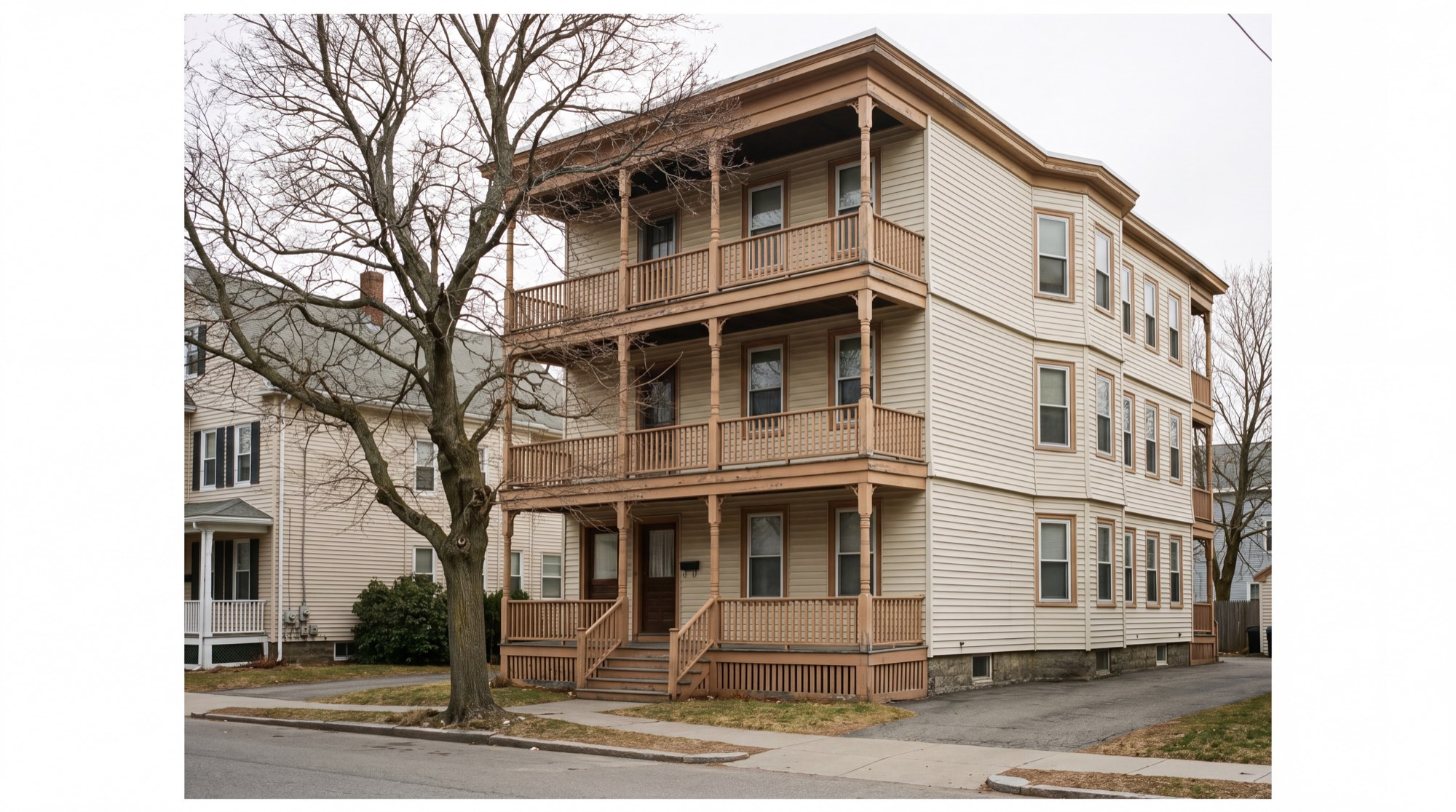
Neighborhood Guide
Lexington, Massachusetts — Homes, Schools & Neighborhoods
One of the region's most academically driven towns, with large lots, colonial-era history, and no subway — a deliberate trade of commute for schools.
Schools, space, and a longer drive
The school premium, concentrated
Lexington's public schools are the reason most buyers are here, and the town's price level reflects that directly. Demand is heavily driven by families willing to organize their entire housing decision around the district, which keeps competition high for family-sized homes and makes the market less sensitive to the rest of the region's cycles.
What you get
Larger lots and larger houses than the inner suburbs offer at comparable prices, in a town with a preserved colonial center, extensive conservation land, and the Minuteman Bikeway running through it. It is quiet, green, and residential in a way that Newton and Brookline no longer entirely are.
The commute question
There is no subway station. Commuting means driving — Route 2, Route 128, and the roads into Cambridge — or a bus connection, and the inbound drive at peak hours is a real cost. Households that make Lexington work usually either work along the 128 corridor, work from home substantially, or have decided the schools are worth the drive.
What to check
Housing stock ranges from mid-century capes and colonials to substantial new construction on rebuilt lots, and the difference in systems, insulation, and running cost between those is large. Property taxes on a Lexington house are significant, so run the actual figure for the specific address rather than a regional average.
Reading a Lexington house by the decade it was built
Walk three streets and you can date the town's growth. The oldest houses sit near the colonial center, antique frames that have been added to repeatedly; behind them came the postwar wave of capes and colonials on generous lots; and scattered among both are lots where the original house came down and a large new build went up. Each era asks a different question at inspection. In the older and postwar stock, ask whether any knob-and-tube wiring survives in walls or attics, whether the electrical panel has been replaced, and what happened when the house converted from oil to gas, since an abandoned tank in the basement or the yard is a real line item. Any home built before 1978 falls under the federal lead-paint disclosure rule, and in an antique with original trim and sash windows that matters for more than paperwork. Additions are the other recurring theme: a kitchen or family room bolted onto a cape decades later often has its own roof plane, its own heating zone, and its own history of leaks where the two structures meet. On a rebuilt lot the mechanicals are new, so the questions move to grading, drainage, and how the builder handled the site.
The center, the bikeway, and everything past them
Lexington is not one experience. The blocks around the center put you within walking distance of the town's shops, the library, and the Minuteman Bikeway, and households there genuinely use their feet and their bicycles for part of the week. Prices reflect that proximity and so does the housing: closer in, lots are tighter and houses older, and a second car can mean a narrow driveway and some choreography. Move out toward the town's edges and the trade reverses. Lots grow, houses tend to be postwar or newer, driveways hold several vehicles, and nothing is walkable. The store, the school, the bus connection and the office are all car trips. Families out there usually run two vehicles and organize the day around the school run, because the yellow bus does not solve every schedule. Neither half is better than the other; they suit different lives. Before you narrow a search, drive both at eight in the morning and again at six in the evening, and decide which version of the town you can live inside for a decade. The bikeway is a genuine commuting route for some households in the warmer months and an errand route year-round for others, which is part of why the blocks behind it hold their appeal.
How the calendar moves a school-district town
In a town where most buyers are choosing the district, the market year follows the school year rather than the economy. Activity builds through late winter and peaks in spring, because families want to be under agreement early enough to close, move, and register a child before classes begin in the fall. Listings that appear in that window meet the largest audience and the sharpest competition. By midsummer the pool thins: the households that had to move for the start of school have already moved, and what remains is either newly listed or has a story behind it. Fall brings a smaller second wave, and winter is quiet, with fewer listings, fewer buyers, and more willingness on both sides to negotiate. None of that is a rule you can trade on, but it changes strategy. A buyer with no enrollment deadline has more room in the colder months and should be looking then. A seller with a family-sized house is usually better served by spring. And a buyer who must have a child in a seat by fall has the least leverage of anyone at the table, which is worth admitting early.
The bills that arrive after closing
A large house on a large lot has a cost profile that a condominium buyer has never had to think about, and it is not mostly the mortgage. You own the roof, so you own its replacement. You own the heating and cooling equipment, and in an older house there may be more than one system serving different parts of the building. You own the driveway, which in this climate is a seasonal expense of its own, and the trees, which become an insurance conversation after every storm. Lawn, irrigation, gutters, and snow clearing are either your weekends or a line in the budget. The standing advice to pull the actual tax bill for the exact address is worth carrying one step further: put that figure into the monthly cost alongside insurance, utilities and a maintenance allowance, and judge what you can afford on that total rather than on principal and interest. Older mechanical systems do not fail politely on a schedule, so ask the inspector for the age of the furnace or boiler, the water heater, and the roof, and treat anything near the end of its service life as a cost you have already agreed to.
What the Zillow indexes do and do not tell you here
Zillow's modelled estimate of a typical home value for Lexington was $1,599,099 in July 2026, up 2.6 percent from a year earlier and 31.9 percent over five years. Broken out by type as of August 2026, the single-family estimate is $1,656,086, up 2.8 percent year over year and 32.1 percent over five years, and the condominium estimate is $864,282, up 1 percent year over year and 20.2 percent over five years. The rent figure is a different instrument, an observed rent index rather than a modelled value, and it stands at $3,902, with no year-over-year or five-year change carried alongside it here. Read those lines with their sample sizes in mind. Single-family housing is what this town is made of, so that series rests on a deep segment and moves smoothly. Condominiums and rentals are a narrow slice of the same town, and an index built on a thin segment can jump for reasons that have nothing to do with value, because a handful of sales in one unusual building tilts it. None of these figures is a median sale price; each is an index, and an index describes a segment rather than pricing any one house.
Who thrives here, and who quietly regrets it
The case for the town is made above; the more useful question is which households settle in and which list again after a couple of years. People who stay tend to be the ones who made the trade with open eyes and then stopped relitigating it, rather than measuring every drive against a subway ride they were never going to take. People who leave early usually bought the town for a single attribute and found that the rest of it did not suit them: a household that wanted density and evening life, or one that assumed it could rent for a year first and met a small rental pool with little to choose among. The hardest case is the three-year corporate assignment. Buying and then selling both cost real money, a five-year change in an index describes a five-year hold and not a three-year one, and a household on a fixed posting has no control over what the market is doing in the month it must leave. If your horizon is short and certain, rent and keep the flexibility. If you intend to stay through a child's whole school career, the arithmetic looks entirely different. Be honest about which of those two households you are before you start touring, because the houses themselves will not tell you.
Market Snapshot
This neighborhood in numbers
Lexington
$1,574,814
Typical home value
- Year over year
- +2.9%
- Five years
- +31.5%
As of 2026-08 · A modelled index for mid-tier homes, not a median of recorded sales. Single-family and condo combined. Source: Zillow Home Value Index (ZHVI)
Questions
About living in Lexington
Is there a subway to Lexington?
No. Lexington is reached by car via Route 2 and Route 128 or by bus connections to the subway network, and the inbound drive at peak hours is a genuine daily cost. Households that choose Lexington usually work along the 128 corridor, work from home a substantial part of the week, or have decided the school district justifies the commute.
Is Lexington only worth it for the schools?
The schools are the main driver of both demand and price, but they are not the only thing on offer — you also get larger lots and houses than comparable money buys in the inner suburbs, a preserved colonial center, extensive conservation land, and the Minuteman Bikeway. That said, a buyer without school-age children is generally paying a premium for a benefit they will not use.
How do I confirm which school a specific address is assigned to?
Do not rely on the listing, a map site, or the seller's description. School assignment is set by the district for a specific address and can change when the town redraws boundaries, so confirm it directly with the school department for the exact street number before you write an offer. If the assignment is the reason you are buying the house, get the answer in writing and ask whether any boundary review is currently under way.
What should I check about historic review before planning a renovation?
Parts of Lexington near the colonial center sit under historic review, which can restrict changes visible from the street, including windows, siding, roofing material and additions. The rules attach to the property rather than to the seller's intentions or a contractor's assurances. Ask the town whether the specific address falls inside a regulated area and what approval a project would need, and do that before you budget a renovation rather than after.
Is buying a condominium in Lexington a realistic alternative to a house?
It exists, but it is a small market. Zillow's modelled estimate of a typical condominium value in Lexington was $864,282 in August 2026, well below the single-family figure, and the segment is thin enough that the index moves on few transactions. The practical constraint is choice rather than price: inventory is limited and buildings vary widely, so read the association's budget, reserve position and meeting minutes as carefully as an inspection report.
Korean community in Lexington
Lexington is one of the towns Korean families name most often when the conversation is purely about schools, and the town has a visible Korean and broader Asian family presence for exactly that reason — supporting academies and weekend programs have followed. If your priority is the district and you can absorb a driving commute, it belongs on your list. Two things to be honest about: the absence of a subway makes this a car-dependent life, and the academic intensity that draws families here is also something to consider deliberately for your particular child rather than assume is a benefit.
Diana works with clients in English and Korean — more here.
한국어로 읽기 →Nearby
Other neighborhood guides
Thinking about Lexington?
Tell me your budget, your commute, and what your next five years look like. I will tell you honestly whether this is the right neighborhood — and which one to look at if it isn't.